Patil Pada: A Village That Stood Up
July 31, 2026
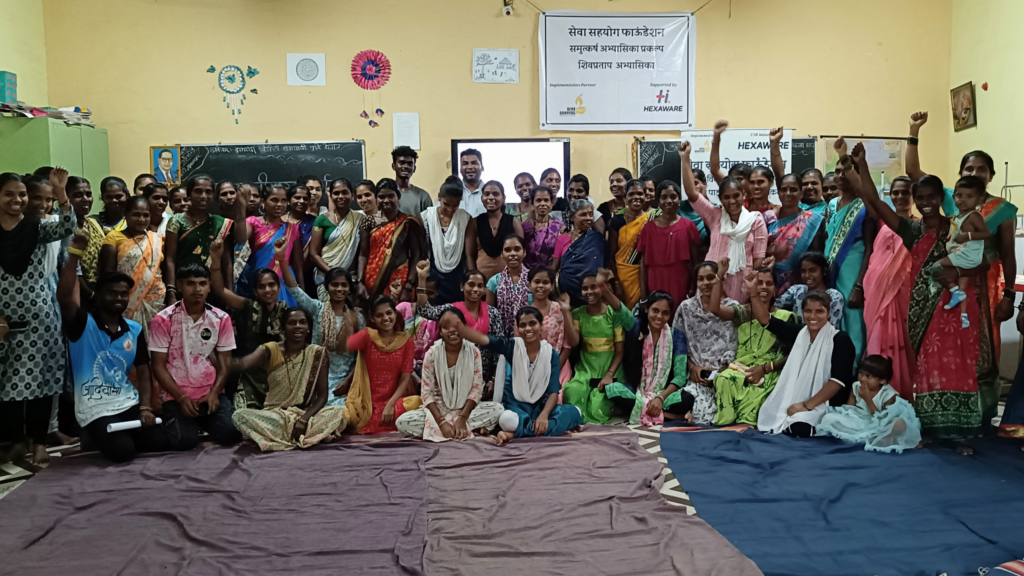
Eighty-eight households, and for years, the same quiet story repeating itself in each one, a child with nowhere to sit and study, a daughter who dropped out because no one thought to ask why she was absent, a field left fallow because the person who used to farm it had gone to the city looking for work instead.
That was Patil Pada, a tribal hamlet in Shigaon village, Palghar district, before 2018. Education, employment, health, transport all of it stretched thin.
Farming had faded. Migration had become the default, not the exception. And the people who stayed behind lived with more uncertainty than anyone should have to. What changed wasn’t a single program. It was a decision, in 2018, to stay to build something long enough that it could actually take root. That decision became the Patil Pada Village Development Project, guided by mentor Sanjay Hegde, and built on a simple premise: real rural needs, not quick fixes.
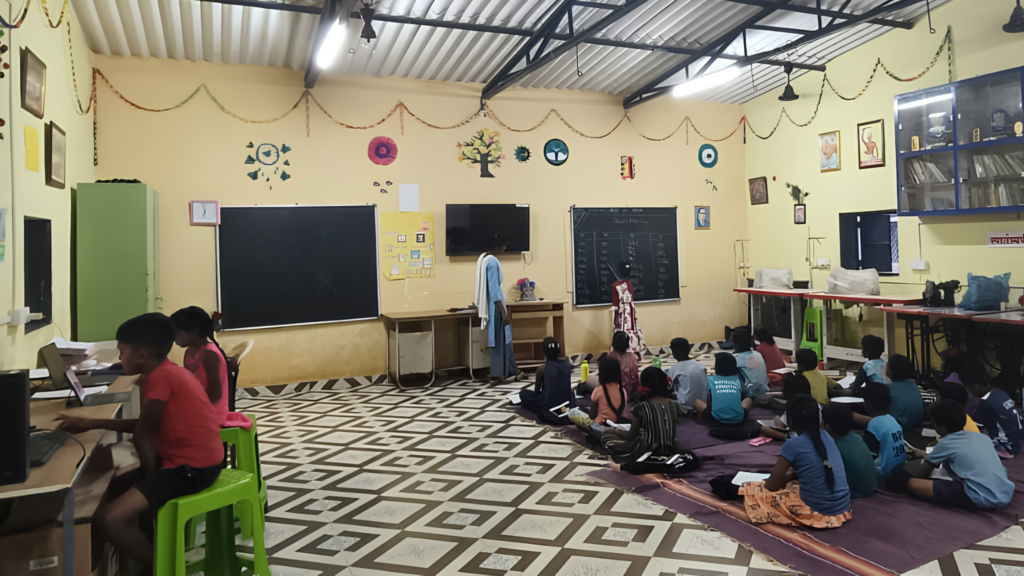
Here’s what nearly seven years of staying has built.
A Room That Used to Have No Seats
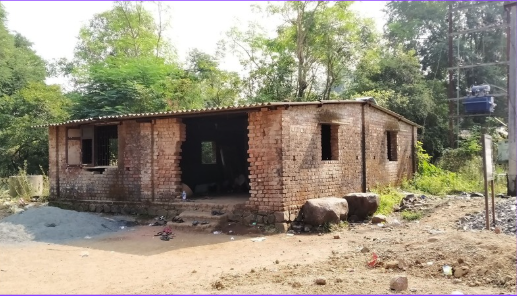
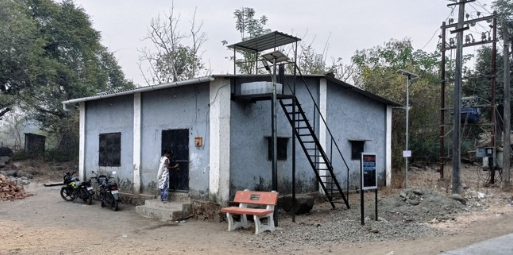
There was a time children in Patil Pada had nowhere to sit and study
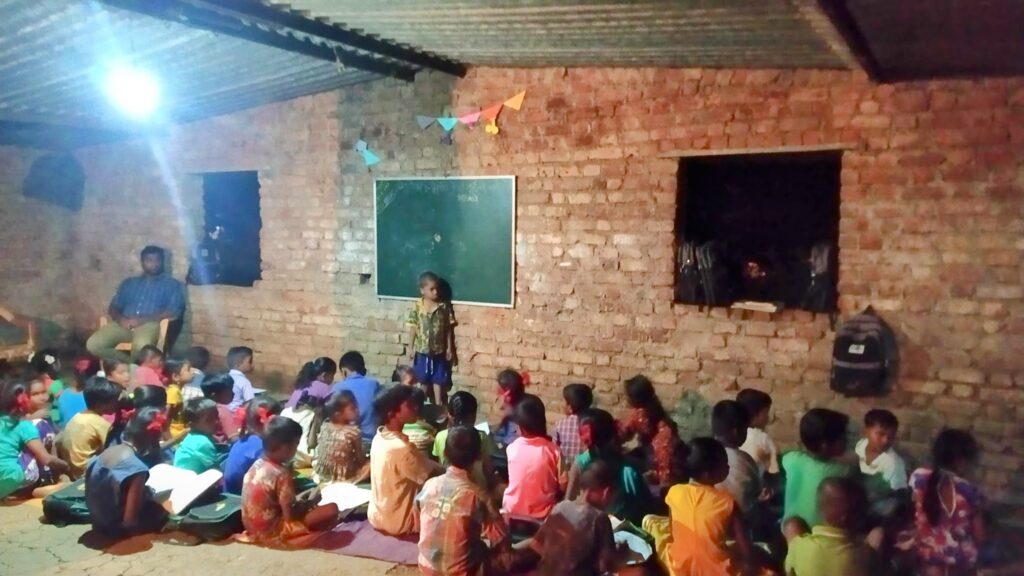
Today, that same space is a study center where 85 students show up daily, with attendance holding above 75% month after month, the kind of number that only happens when a place has become somewhere children actually want to be.
It isn’t only textbooks. Sports, music, arts, digital literacy, a working library all part of what learning looks like here now. Girls who once dropped out are, today, among the most active students in the room.
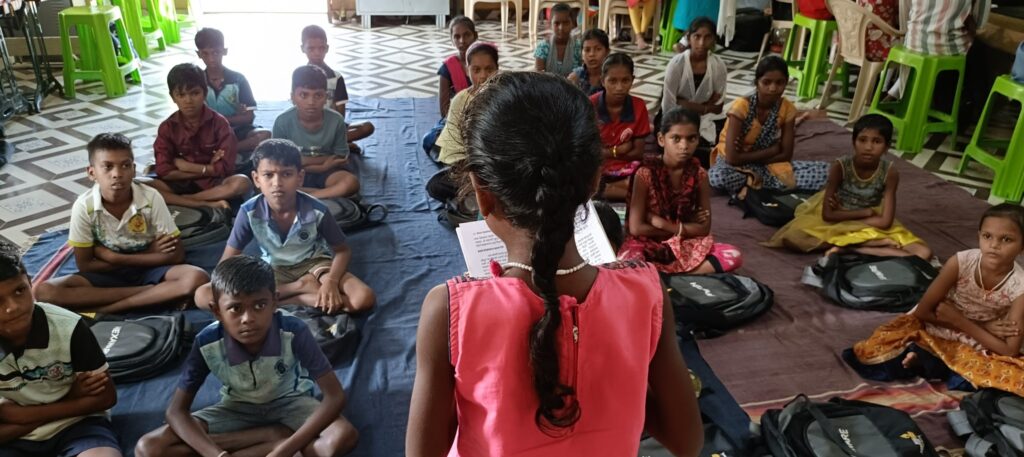
At the Loknayak Birsa Munda Digital Learning Center, the first rural digital facility in Shigaon: 30 students have already completed basic computer courses, learning MS Office and foundational digital skills that simply didn’t exist as an option here before. Education in Patil Pada has stopped being just a way to get by. It’s become a way to reach further.
The Girls Who Stopped Staying Quiet
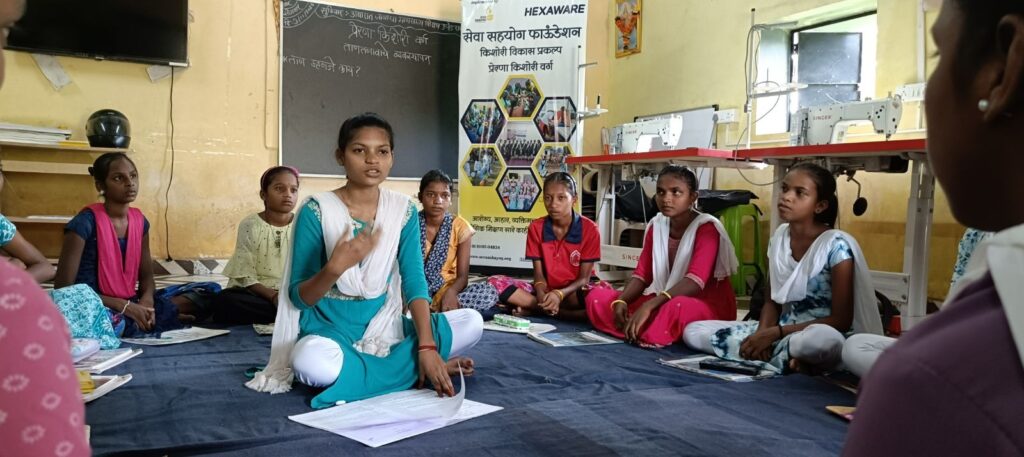
Girls in Patil Pada used to miss school often, and mostly for reasons no one talked about. A lack of awareness, a social hesitation that kept them home. In 2019, the Foundation started the Kishori (Adolescent Girls) Class to change that directly.
Over five years and around 40 sessions, the conversations covered what actually needed covering: menstrual health, nutrition, self-identity, addiction awareness, social media literacy, self-defense, emotional well-being and Gender awareness. Around 45 girls attend regularly now and they’ve moved from attending to leading, performing street plays on addiction, friendship, and attraction, running their own groups, speaking up without waiting to be asked.
Women in the community found their own version of this shift. Fifty-five have completed tailoring training, now producing school kit pouches, bags, and more. The Mahalaxmi Grih Udyog Group makes and sells traditional laddus, a small business built on a recipe many of them already knew, turned into income and self-respect they hadn’t had a way to claim before.
Skills gave them confidence. Confidence gave them independence.
Farming, Taught the Way It Should Be
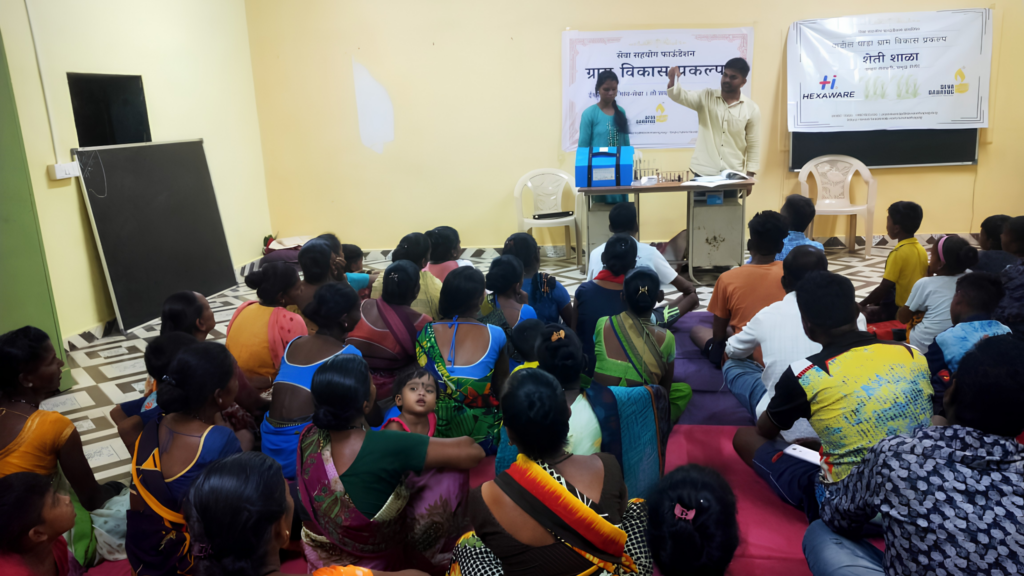
Sheti Shala, the Farming School is where Patil Pada’s agricultural revival actually lives. No jargon, no theory disconnected from soil. Just efficient land use, soil preparation, plantation techniques, collective seed purchasing, natural pesticide preparation, chemical-free farming taught in language farmers actually use.
The most telling shift: women whose husbands migrate for work are now farming their own land, shoulder to shoulder with success. In the most recent Kharif season, 51 people farmed for the first time and earned a good income doing it. Agriculture has come back to Patil Pada not just as a livelihood, but as something people are proud of again.
Health, Before It Becomes an Emergency
No transformation is complete without health, and Patil Pada’s story includes it fully.
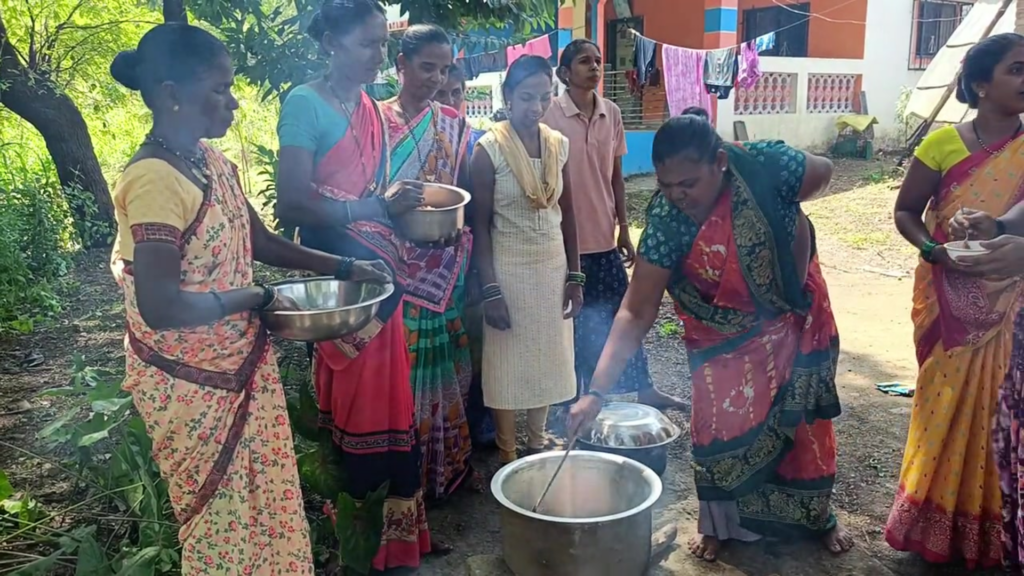
The Anganwadi Support Initiative trains mothers in preparing nutritious diets for their children, building good habits from the earliest possible point. The Arogya Rakshak Initiative brings primary healthcare directly into the village, camps that check blood pressure and weight, Ayurvedic medicine for common ailments, and follow-up home visits that make sure care doesn’t stop after one appointment. What used to be reactive, waiting until something was seriously wrong has become preventive.
The Leadership That Makes It Last
The reason all of this holds together, season after season, is the Gaav Shashaktikaran Varg, the Village Empowerment Class, built specifically so these programs don’t depend on outside hands to keep running.
Today, students lead the Abhyasika and digital classes themselves. Girls guide the adolescent groups and cultural activities. Women run their own self-help enterprises. Farmers mentor each other through Sheti Shala. This change was never handed to Patil Pada from outside. It grew from within, which is exactly why it’s staying.
A Village Standing Tall
Patil Pada today is educating its children, empowering its girls, building real skills in its women, reviving farming as a source of pride, strengthening health awareness, and growing its own leadership from the ground up.
Seva Sahayog Foundation holds to a simple belief: only when villages stand up will the nation move forward.
Patil Pada has stood up. And this is only the beginning.
#SevaSahayogFoundation #PatilPada #RuralDevelopment #ShetiShala
#WomenEmpowerment #EducationForAll #CommunityLedChange #SocialImpact
YouTube Video Link :-
Patil Pada Part 1:- https://youtu.be/gK-oHEo6p8U?si=DCWBgL7bp-N_zi6z
Patil Pada Part 2:- https://youtu.be/qVKdsZCgZAI?si=rZZfjpSYnbbpuqBz