When the Lights Stayed On: A Solar Story from Haloli
August 13, 2026
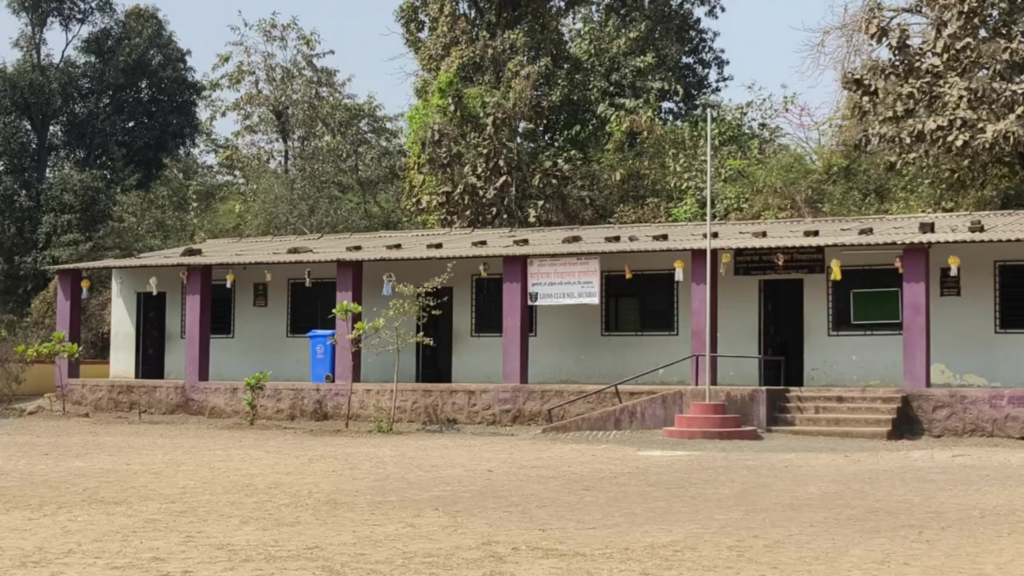
Thirty-five kilometers from Palghar taluka, in the quiet village of Haloli, stands Sai Baba Vidyalaya, a school run by the Dahisar Rural Education Society, full of ambition and young dreams. For years, though, one stubborn obstacle kept getting in the way of all of it: electricity.
A School Learning in the Dark
Haloli is remote, and its power supply has always known it. Some days, electricity showed up for just an hour or two. For students, that meant fans stopping mid-class, lights flickering out the moment a cloud passed over, digital lessons freezing mid-sentence again and again, until it stopped being an inconvenience and started being the norm.
In a classroom that increasingly runs on digital tools, that kind of interruption doesn’t just delay a lesson. It breaks the momentum a class needs to actually learn something and momentum, once broken, is hard to get back inside a 40-minute period.
A Ray of Change
In 2023, Seva Sahayog Foundation installed a 3-kilowatt solar system with a 1-kilowatt backup at the school.What followed was almost immediate. The lights stayed on. The fans kept spinning. The digital lab ran without stalling halfway through a lesson. No more waiting for power to come back.
No more lessons abandoned mid-sentence. No more uncertainty hanging over every school day.
What Changed Beyond the Power Bill
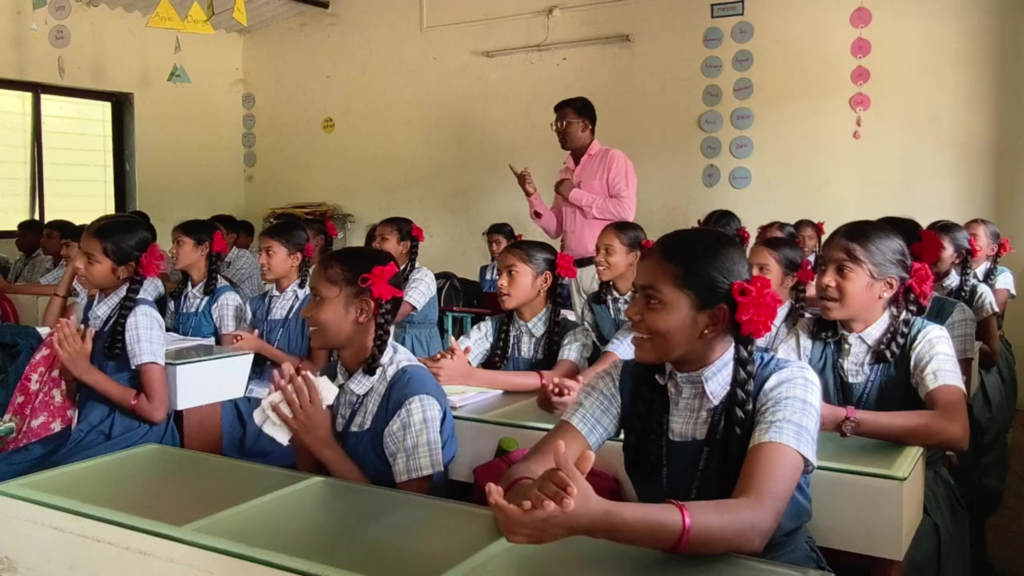
A steadier place to learn. Classrooms became comfortable and predictable in a way they hadn’t been before. Students could actually focus, and digital education stopped being something that happened only when the power cooperated.
More engagement, not less. When the technology simply works, curiosity has room to grow. Teachers started planning digital sessions without bracing for a shutdown halfway through, and students responded by staying more present in the lesson itself.
Real financial savings. The school’s electricity bill used to run around ₹1,500 a month. Today, it’s close to zero, a saving of roughly ₹18,000 to ₹20,000 a year. That money hasn’t sat idle.It’s going back into student facilities, learning resources, and further improvements to the school itself. The panels don’t just generate power. They generate room to grow.
In a Student’s Own Words
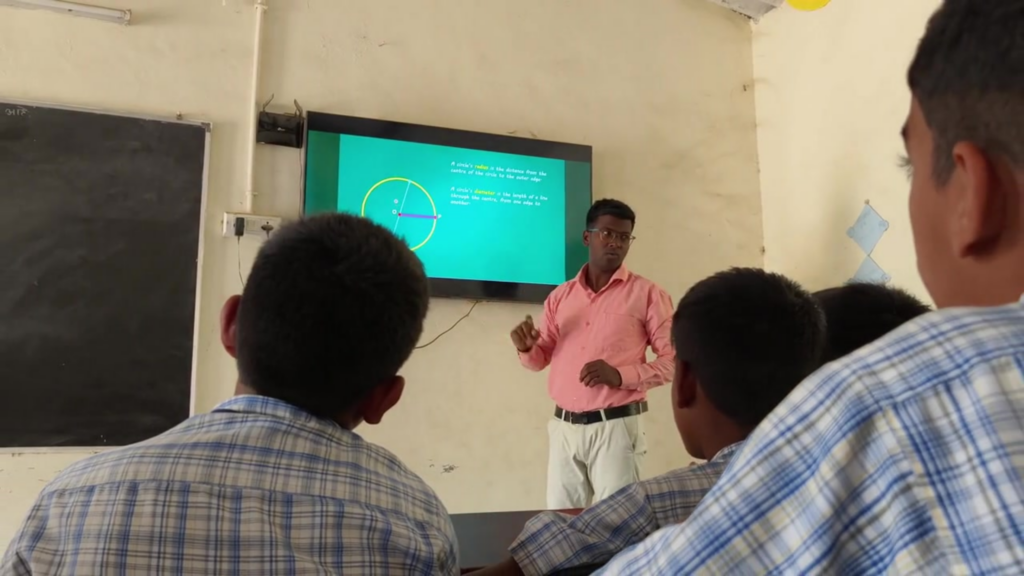
A student who has studied at the school for 3 years put it simply: “After the solar system was installed, there are no interruptions in our digital learning. We now have a comfortable and supportive classroom environment. It helps us stay focused and enjoy our studies.”
That’s really the whole story in one sentence. Because good education was never only about infrastructure. It’s about confidence, continuity, and the simple belief that today’s class won’t get cut short.
Lighting the Way Forward
Sai Baba Vidyalaya is still the same school, in the same rural village it’s always been. But now it’s proof that a fairly small intervention of 3 kilowatts of solar, 1 kilowatt of backup can add up to something much larger than kilowatts.
Every morning the sun comes up over Haloli, it does more than light the sky. It powers a classroom full of possibility.
#SevaSahayogFoundation #SolarForSchools #RuralEducation #Sustainability #EducationForAll #SocialImpact
Video Link:- When Solar Panels Light Up Classrooms | Sai Baba Vidyalay Story | Nayi Disha | #solarenergy